
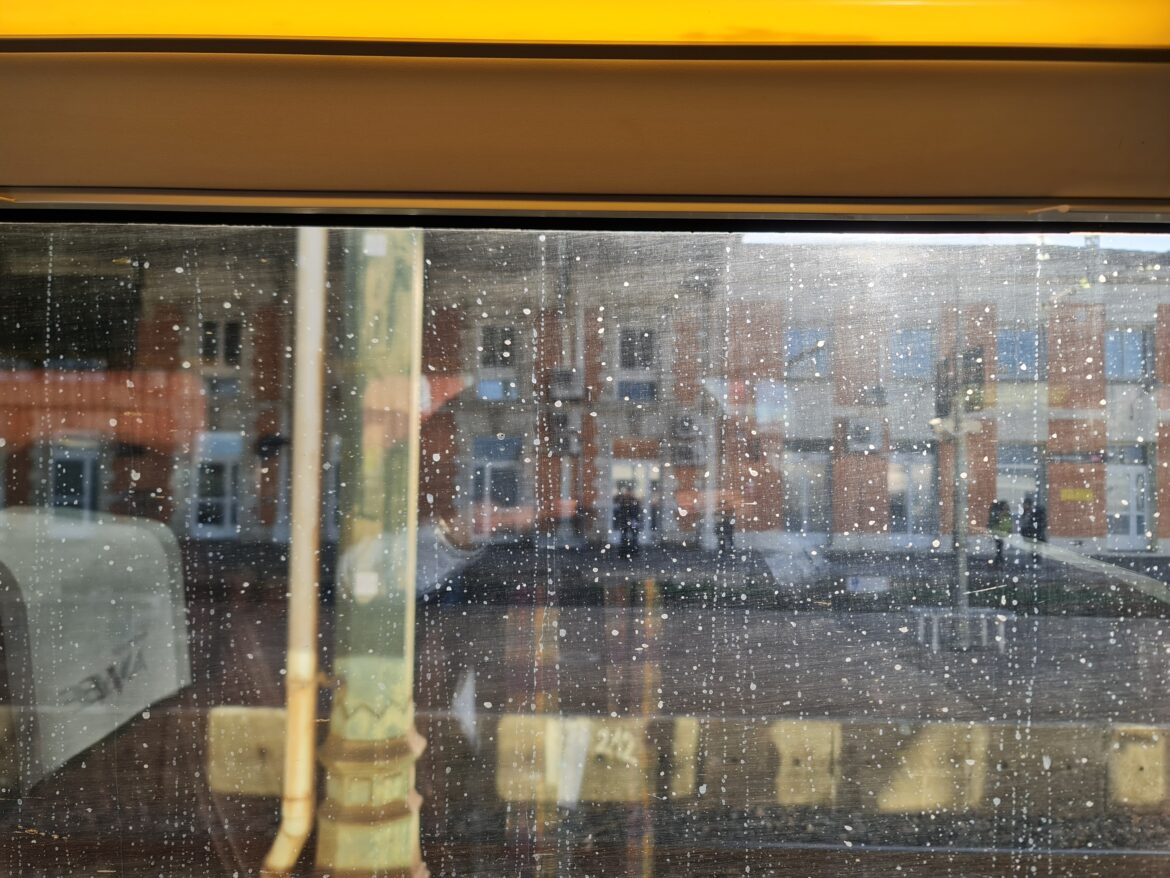
Strata of Oblivion begins with an uncomfortable conviction. The coast is not an innocent landscape. It is an operational archive where trade, war, extraction, tourism, migration, rescue, and abandonment accumulate. Archaeological wrecks, industrial debris, shipping routes, and migrant vessels coexist beneath the same horizon. Placing them in relation does not mean declaring them equivalent. It means examining the structures that distribute mobility, value, risk, visibility, and grief. The task of art is not to close these differences through an elegant metaphor, but to keep them open and legible.
For me, research is not something that precedes the artwork. It is part of its material, just like light, salt, paper, distance, or silence. Research means returning to a place, comparing sources, locating contradictions, distinguishing a verified figure from an estimate, listening without treating testimony as available material, and accepting that certain findings should not be shown. A serious work is defined as much by what it gathers as by what it chooses not to use.
Rosell Meseguer has demonstrated how the archive can become a dynamic device for reading territories marked by industry, war, and obsolescence. Her investigations into fortifications, mines, coastal architectures, and abandoned sites do not treat ruins as scenery, but as structures of knowledge. Eduardo Nave, from a different sensibility, has made landscape a space for thought, memory, and narrative construction. In his images, the event may have disappeared, yet the place continues to retain a physical and affective temporality that photography can activate without illustrating it.
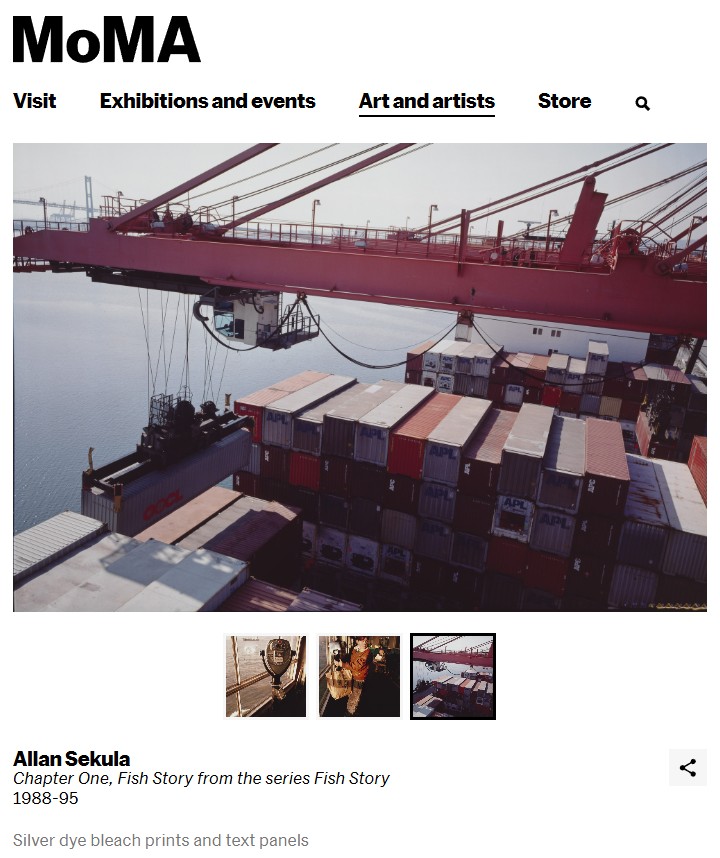
Beyond Spain, Allan Sekula turned the sea into a political question. In Fish Story, shipping, ports, labour, and commodities reveal the material infrastructure of a global economy that is often presented as if it had no bodies and encountered no friction. In The Mapping Journey Project, Bouchra Khalili constructs a cartography narrated by those who travelled the routes themselves. Their voices and hands are present, while their faces remain outside the frame. This is not a visual absence, but an ethical way of restoring agency without satisfying the contemporary demand for total exposure.
Through works such as Sahara Chronicle, Ursula Biemann approaches migration as a distributed system of sites, intermediaries, controls, delays, and movements. She does not offer a single image of the journey. She investigates the network that produces it.
The working table accompanying this post condenses some of the decisions that shape Strata of Oblivion.
| Layer | Research question | Formal consequence |
| Territory | What does the coastline preserve, transform, or erase? | Landscape becomes an active archive |
| Shipwreck | What material history remains and who can name it? | Matter acts as witness rather than illustration |
| Route | Which forces organize mobility and exposure to danger? | The map becomes a counter geography |
| Testimony | Who speaks and under what conditions? | Consent, opacity, and shared authorship enter the work |
| Comparison | What can be connected without being equated? | Historical differences remain visible |
| Refusal | What should not be shown? | Non display becomes an artistic and ethical decision |
This way of working now feels almost countercultural. Part of the contemporary art ecosystem has confused visibility with relevance, gesture with position, and urgency with thought. The demand to exhibit rewards immediately recognizable works, compressed discourse, and performances designed to circulate before they have had time to think. Museums, galleries, and biennials can surround an insufficiently examined gesture with a discursive apparatus capable of producing the appearance of depth.
This distinction matters. The problem is not performance as a language, nor is it the use of modest means, which can produce radical work. A performance becomes cheap when gesture replaces inquiry and the institution later supplies the meaning the work failed to construct. Nor is every archive rigorous, and research alone does not guarantee a meaningful artwork. Accumulating documents is not the same as thinking. The difference lies in the quality of the relationships, the refusal to force conclusions, and the ability to acknowledge one’s own limits.
Strata of Oblivion chooses another temporality. Patience is not decorative slowness. It is precision. Reflection is not indecision. It is responsibility. Care is not a gentle addition to the method. It is the method that determines what may be photographed, from where, at what moment, alongside whom, and with what consequences. Research transforms form because it requires us to abandon predictable images, correct seductive hypotheses, and allow reality to contradict the original intention.
Against speed, duration. Against overexposure, selective opacity. Against the image that announces itself, evidence that takes time to become visible. Estratos del olvido does not seek to speak on behalf of those who are absent. It tries to create the conditions needed to observe how an absence was produced, administered, and eventually naturalized. Perhaps this is still what art can do when it refuses to perform its own relevance.